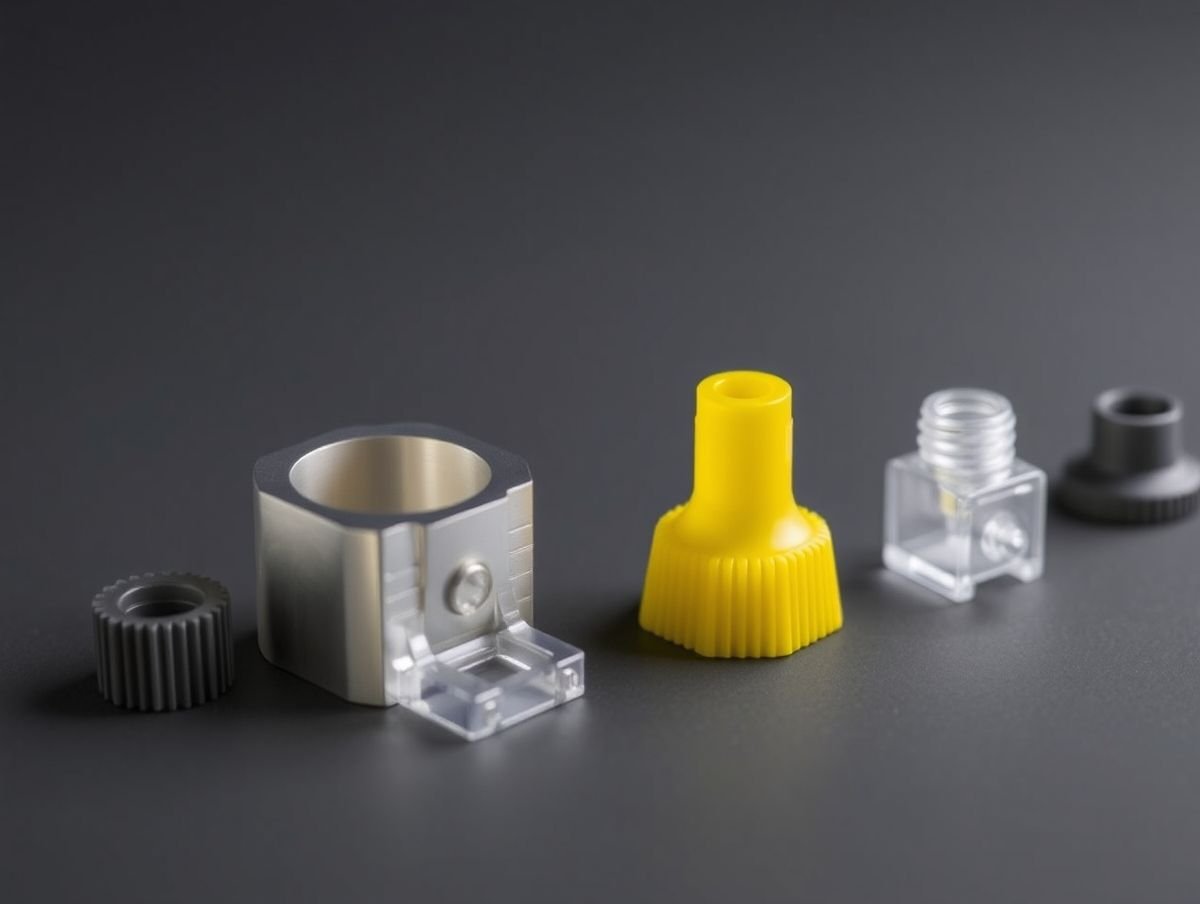
Low Volume Injection Molding Services: Faster, Cheaper Plastic Parts for Startups
Key Takeaways
- Low volume injection molding uses affordable aluminum molds to produce 100-10,000 parts
- Slashes tooling costs by up to 70% compared to traditional steel molds
- Delivers functional parts in days instead of months
- Enables market testing with small batches to reduce financial risk
- Critical provider features: in-house tooling, transparent pricing, and DFM expertise
Table des matières
- Why Choose Low Volume Injection Molding Services?
- Rapid Injection Molding for Prototypes
- Custom Injection Molding for Startups
- Injection Molding for Small Batch Production
- Picking Your Low Volume Partner
- Real Costs & Timelines Exposed
- Conclusion: Your Action Plan
Introduction
Ever faced a $50,000 tooling bill just to test your product idea? You’re not alone. 83% of hardware startups delay launches due to upfront costs. That’s where low volume injection molding services save the day. These specialized solutions let you produce 100–10,000 parts using affordable aluminum molds—not pricey steel ones.
Feel that frustration? Traditional molding forces you into massive orders. Worse, months-long waits kill momentum. But here’s the breakthrough: low volume injection molding services slash tooling costs by 70% and deliver parts in days. Seriously though, this isn’t just prototyping—it’s your bridge to market-ready products. https://qdj-prototype.com/prototype-injection-molding-rapid-solutions
We’ll show you how to dodge budget traps, speed up testing, and scale smarter. Ready to turn that CAD file into sellable units? Let’s go.
(Source: SyBridge – Applied as cost-reduction data)
Why Choose Low Volume Injection Molding Services?
Escape the High-Cost Steel Mold Trap
Traditional injection molding bankrupts small batches. Hardened steel molds cost $20,000–$100,000. Ouch. But aluminum tooling? It’s like swapping a Ferrari for a reliable Tesla—same destination, less financial panic. https://qdj-prototype.com/rapid-mold-making-service-prototyping
Your Wallet Will Thank You
Aluminum molds cut initial costs by up to 70%. You’re not paying for indestructibility. You’re paying for just enough durability. According to ZetarMold, startups save $15k+ on average for 500-unit runs. Pro tip: amortize tooling costs across batches.
Launch Before Competitors Wake Up
Need parts in <5 days? Rapid tooling delivers. Forget 12-week waits. One medical device team tested 3 design iterations in 2 weeks. Their secret? Aluminum molds machined in 48 hours.
Grow Without Tooling Headaches
Start with 100 units. Scale to 10,000. No retooling. ZetarMold confirms: soft molds handle 10k+ shots easily. It’s your manufacturing safety net.
(Source: Formlabs – Applied as speed-to-market case study)
Rapid Injection Molding for Prototypes
Rapid Injection Molding for Prototypes: Test Designs in Days, Not Months
Functional prototypes shouldn’t take quarters. Rapid injection molding for prototypes uses 3D-printed or aluminum molds. Get real thermoplastic parts in 3–5 days. Perfect for crowdfunding demos or investor pitches. https://qdj-prototype.com/cnc-vs-3d-printing-prototyping
Fail Fast, Fix Faster
Snap-fit not snapping? Wall thickness causing warping? Test with real materials. One robotics team caught gear tooth stress fractures in Cycle 1. Saved $8k in redesign costs later.
Pre-Launch Perfection
User feedback demands last-minute changes? No problem. Adjust mold designs digitally. Reminds me of FitTech Co.—they tweaked grip ergonomics twice pre-launch. Sold out in 48 hours.
Tech Trims the Timeline
Soft tooling + digital workflows = zero machining delays. Quickparts confirms: 90% faster than steel tooling.
(Source: Quickparts – Applied as turnaround data)
Custom Injection Molding for Startups
Custom Injection Molding for Startups: Launch Without Bankruptcy
MOQs of 100,000 units? Madness. Custom injection molding for startups specializes in micro-batches. Think 100–1,000 units. Plus, free DFM analysis prevents rookie mistakes. https://qdj-prototype.com/custom-prototype-manufacturing-strategies-guide
Slash Your Financial Risk
Only produce what sells. No dead inventory. A drone startup tested demand with 300 units. Scaled to 5k after pre-orders. Their warehouse? A closet.
DFM: Your Secret Weapon
Draft angles wrong? Undercuts? Providers flag issues pre-production. As ZDCpu notes, DFM cuts errors by 60%. Look—this alone justifies low-volume partners.
Material Matchmaking
Food-safe PP? UV-resistant ABS? Get expert guidance. One eco-brand avoided brittle PLA for outdoor gear. Smart move.
(Source: ZetarMold – Applied as risk-reduction strategy)
Injection Molding for Small Batch Production
Injection Molding for Small Batch Production: Profit From Niche Markets
Limited editions. Medical trials. Seasonal products. Injection molding for small batch production makes 1k–10k units viable. Even better? Custom finishes (matte, metallic, rubberized) without six-figure commitments.
Medical-Grade Precision
Biocompatible parts in small quantities? Done. Syringe components. Implant casings. All with full traceability. https://qdj-prototype.com/cnc-machined-medical-devices-oem
Premium Consumer Goods
Ever seen a $200 wooden keyboard? Its aluminum frame started as 800-unit batch. Low volume enables luxury.
Material Buffet
Nylon for toughness. Polycarbonate for clarity. Even glass-filled resins. Finish with texture or chemical resistance.
(Source: ZDCpu – Applied as application examples)
Picking Your Low Volume Partner
3 Must-Haves in a Low Volume Provider
Choose wrong? Pay for delays or flawed parts. Here’s your cheat sheet.
In-House Tooling = Speed
Outsourced molds add weeks. Top shops machine aluminum onsite. Verify this. Seriously though—it’s non-negotiable.
Transparent Pricing
Demand per-part quotes with tooling amortized. No “hidden fee” surprises. One founder saved 22% just by comparing breakdowns.
DFM Superheroes
They should catch sink marks or ejector pin issues pre-production. According to ZDCpu, this prevents 80% of defects. https://qdj-prototype.com/what-is-injection-molding-guide
Red flag: Suppliers pushing 50k+ MOQs.
(Source: ZetarMold – Applied as quality criteria)
Real Costs & Timelines Exposed
Budgeting Your Low Volume Run (No Guesswork)
What’s this actually cost? Let’s demystify.
Tooling: $1k–$10k
Amortized over batches. Example: $3k mold for 3,000 units = $1/unit added cost.
Per-Part: $0.50–$5.00
Complexity rules. A simple ABS enclosure? $0.80/unit. Micro-fluidic part? $4.75.
Timeline Reality Check
- Prototypes: 3–5 days
- Full batches: 2–4 weeks
Pro tip: Iterative batches cut mass-production waste by 30%. https://qdj-prototype.com/cnc-machining-cost-calculator-guide
(Source: SyBridge – Applied as cost benchmarks)
Conclusion: Your Action Plan
Ready to Launch Smarter?
Let’s recap your low-volume roadmap:
- Ditch steel molds → Use aluminum/soft tooling
- Start tiny → 100 units for market testing
- Demand DFM → Avoid design flaws
- Verify provider specs → In-house tooling + transparent pricing
Next Steps:
- 📩 Request a custom quote in 90 seconds: Contact QDJ-prototype
- ⚙️ Upload your CAD file for free DFM analysis
- 📞 Schedule a consultation → Get material/tooling advice
Limited offer: Free design review + 5% discount on first orders.
FAQs Teaser:
Can I use low volume for clear parts? What’s the max part size? Get answers in our Low Volume Molding FAQ (coming next week!).
