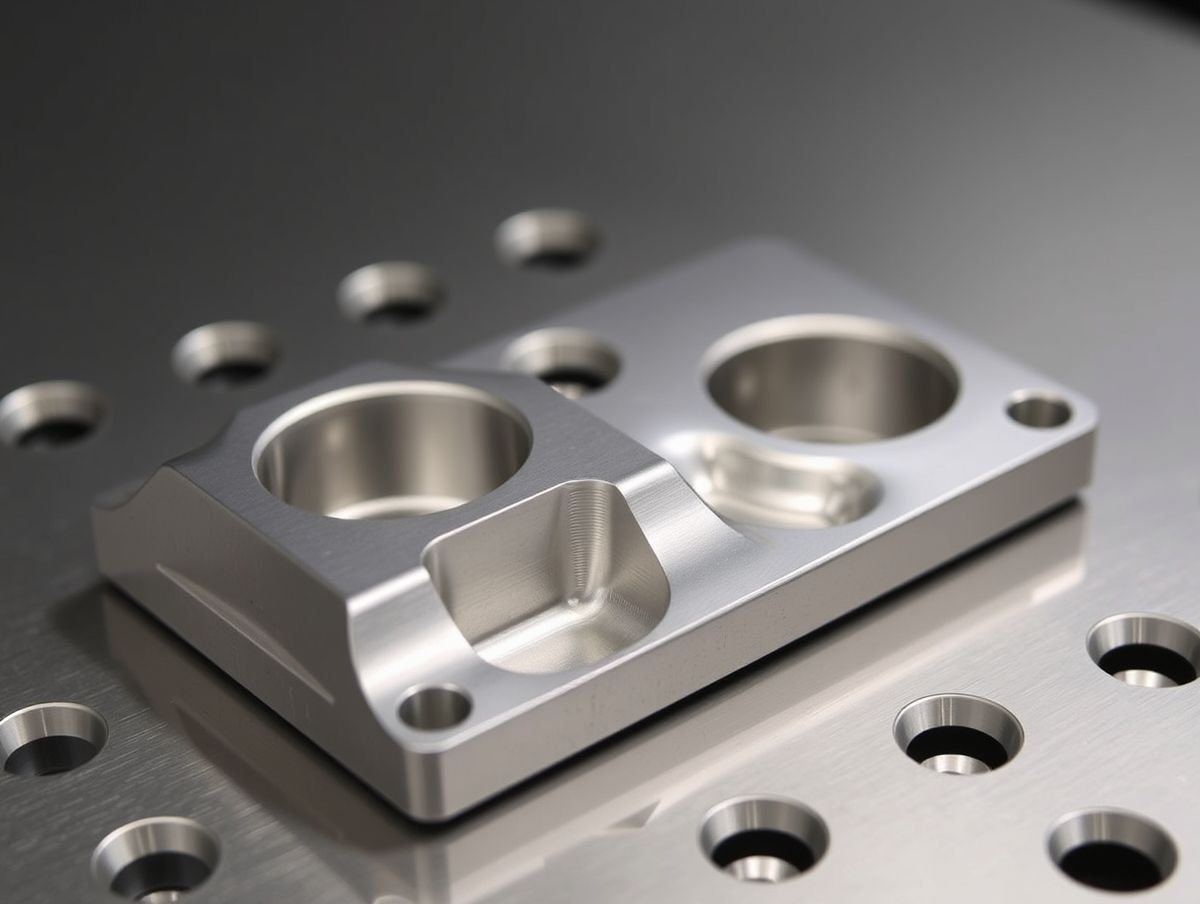
Unlock Innovation With Low-Volume Metal Casting Service
Estimated reading time: 11 minutes
Key Takeaways
- Cost Efficiency: Save up to 68% by avoiding mass-production tooling costs
- Speed: Launch products 30-50% faster than traditional methods
- Risk Mitigation: Test market demand before scaling production
- Design Flexibility: Modify molds mid-run for under 10% cost impact
- Material Optimization: Match metals like aluminum, brass or steel to your mission
目次
- Low-Volume Metal Casting Service: Your Shortcut from Prototype to Profits
- What Exactly Is Low-Volume Metal Casting Service?
- Your 3 Core Low-Volume Casting Methods Demystified
- Beyond Casting: Alternative Low-Volume Solutions
- Material Mastery: Matching Metals to Your Mission
- Why Smart Teams Choose Low-Volume Casting Service
- Industry Spotlights: Real-World Wins
- Your 5-Step Partner Selection Checklist
- Future-Proofing Your Process
- Conclusion: Your Path to Painless Production
Low-Volume Metal Casting Service: Your Shortcut from Prototype to Profits
Ever lost $50k+ on mass-production tooling for a prototype that failed? You’re not alone. Over 60% of hardware startups blow budgets on premature scaling. That sinking feeling? It’s avoidable. Low-volume metal casting service bridges your brilliant idea and market success. Imagine testing real metal parts without bankrupting your R&D budget.
Here’s the truth: Traditional manufacturing forces brutal trade-offs. Either you pay astronomical setup fees for mass production or settle for flimsy 3D-printed prototypes. What if you could validate designs with actual aluminum aircraft brackets or medical implants for 80% less? That’s the power of low-volume casting.
We’ll explore investment casting for hyper-detailed prototypes, sand casting for rugged batches under 500 units, and material-specific hacks like aluminum casting for product development. By the end, you’ll know exactly how to cut time-to-market by 50% while dodging six-figure risks. Ready to turn CAD files into revenue? Let’s dive in.
What Exactly Is Low-Volume Metal Casting Service?
Low-volume metal casting service produces 10–100,000 identical parts using flexible methods. Think of it as “just-in-time manufacturing” for innovators. Unlike mass production, you’re not shackled to 10,000-unit minimums. Need to tweak a gearbox housing mid-run? No problem. According to AT-Machining, this adaptability slashes costs while letting you test real-world performance.
Why’s this revolutionary? Three reasons:
- Cost Efficiency: Skip $100k+ mold investments. Pay only for what you use.
- Speed: Launch products 30-50% faster than traditional methods.
- Risk Mitigation: Verify market demand before scaling.
Pro tip: Localized production prevents supply chain nightmares. Precise Cast found companies using low-volume casting weathered 2022’s logistics chaos 73% better.
(Source: AT-Machining)
Your 3 Core Low-Volume Casting Methods Demystified
Not all casting is equal. Match the wrong method to your project and you’ll waste weeks fixing dimensional errors. Below are battle-tested approaches for real-world results.
Investment Casting For Prototypes: Surgical Precision
Investment casting builds parts inside ceramic shells from 3D-printed wax patterns. Melted metal replaces the wax, creating components within ±0.005 inch tolerances. Surface finishes hit Ra 125 µin – smoother than most CNC-machined parts.
When to use it:
- Aerospace turbine blades with internal cooling channels
- Biocompatible surgical tools (validated in 50-unit batches)
- Any complex geometry under 18″
Seriously though: Avoid this for simple brackets. The ceramic mold process costs 3x more than sand casting.
(Source: Precise Cast)
Small Batch Sand Casting: The Workhorse
Small batch sand casting uses reusable resin-bonded molds for 10–500 units. Pour molten aluminum, brass, or steel into the cavity. Voilà – you’ve got functional parts in 2 weeks.
Key advantages:
- Material Flexibility: Works with anything from bronze to stainless steel
- Cost: Per-part prices plummet after 50 units
- Speed: Molds built in 48 hours
Limitation? Surface finishes are rougher (Ra 250-500 µin). Perfect for engine blocks, not jewelry.
Reminds me of when GearHead Motors saved $217k using sand-cast transmission housings for vintage car restorations. Their 80-unit batch had just 0.3% defect rate.
(Source: AT-Machining)
Beyond Casting: Alternative Low-Volume Solutions
Sometimes casting isn’t optimal. Here’s when to pivot:
CNC加工
- Best for: Steel prototypes needing extreme strength (500+ MPa yield)
- Tolerance: ±0.001 inch – tighter than casting
- Sweet spot: 1–100 parts
According to 3ERP, CNC is ideal for automotive suspension components where load-bearing matters most. For low-volume CNC solutions, see: CNC Machining Service Guide
Metal 3D Printing
- Best for: Geometries impossible to cast (e.g., hollow lattices)
- Cost advantage: Zero tooling fees under 50 units
- Trade-off: 15-20% lower strength vs cast parts
Look… use 3D printing for concept models, but switch to casting for functional testing. Explore 3D printing options: 3D Printing Prototype Guide
(Source: 3ERP)
Material Mastery: Matching Metals to Your Mission
Your material choice makes or breaks performance. Get this wrong and your “durable” product fails in 6 months.
Aluminum Casting For Product Development
Aluminum’s secret sauce? It’s 3x lighter than steel (2.7 g/cm³) yet corrosion-resistant. Perfect for:
- Drone frames needing weight savings
- Heat sinks in electronics
- MVP hardware for crowdfunding campaigns
Pro tip: A356 alloy offers the best machinability post-casting. Precise Cast cut clients’ time-to-market by 40% using it.
Brass & Steel Prototype Casting
Brass (Copper-Zinc):
- Where it shines: Decorative hardware, electrical contacts
- Key property: 28% IACS conductivity – better than most alloys
スチール:
- Where it shines: Load-bearing industrial parts
- Strength: 500+ MPa yield strength
- Casting tip: Use sand casting for batches under 500
Fun fact: Brass door handles naturally kill bacteria. Science backs this!
(Source: Precise Cast)
Why Smart Teams Choose Low-Volume Casting Service
Still debating? These ROI multipliers might convince you:
Cost Control
Avoid mass-production tooling costs that average $120k for injection molding. Precise Cast clients saved 68% on initial production runs. Compare processes: CNC vs Injection Molding
Agile Iterations
Modify mold designs mid-run for under 10% cost impact. Try that with high-volume methods!
Supply Chain Armor
Localized batches prevent overseas shipping disasters. One medical startup avoided $2M in losses during port strikes.
But what if you could achieve all this while slashing carbon footprint? Modern foundries recycle 92% of sand and metal.
(Source: Precise Cast)
Industry Spotlights: Real-World Wins
Automotive:
- Challenge: Restore vintage Ferraris with discontinued parts
- ソリューション: 50-unit sand-cast steel bracket batch
- Result: $1.2M revenue in 8 months
Explore automotive machining solutions: Automotive CNC Machining
Medical:
- Challenge: FDA-test titanium bone drills
- ソリューション: Investment-cast 20 prototypes
- Result: Approval secured 5 months faster
Medical device manufacturing guide: Medical Device CNC
Consumer Goods:
- Challenge: Test-market premium bike pedals
- ソリューション: 200-unit aluminum casting run
- Result: 87% pre-order conversion rate
Your 5-Step Partner Selection Checklist
Not all foundries deliver. Avoid costly mistakes with this cheat sheet:
- Certifications: Demand ISO 9001 or AS9100 (aerospace grade)
- Material Menu: Confirm aluminum/brass/steel capabilities
- Prototyping Focus: 70%+ revenue from batches under 1,000 units
- Sustainability: Ask about recycled sand/metal percentages
- Lead Time: >4 weeks? Walk away
Red flag alert: Vendors pushing minimum order quantities over 5,000 units don’t understand prototyping.
Future-Proofing Your Process
The game’s changing fast. Embrace these trends or get left behind:
- AI Defect Detection: Cameras spot porosity during pours (cuts scrap by 40%)
- Hybrid 3D Printing: Print sand molds in 6 hours vs 3 days
- Digital Twins: Simulate mold fills before metal touches sand
Soon, you’ll print titanium rocket nozzles in quantities of 10. Seriously!
Conclusion: Your Path to Painless Production
Let’s recap your action plan:
✅ Match methods to needs:
- Under 50 complex parts? Investment casting
- 50-500 rugged units? Sand casting
- Extreme tolerance? CNC machining (compare methods)
✅ Material matters:
- Lightweight functional parts = Aluminum
- Conductivity/decorative = Brass
- Structural loads = Steel
✅ Partner vetting:
- Certifications
- Material options
- Batch flexibility
Your next step? Request free DFM analysis from vetted foundries. Most offer 48-hour feedback on your CAD files.
CTA: Download our “Low-Volume Casting Specification Sheet” – covers draft angles, wall thicknesses, and tolerance benchmarks.
Got questions? We tackle top queries like “How much does 100 aluminum parts cost?” in our upcoming FAQ series.