Rapid prototyping has transform the way consumer products are designed, developed, and manufactured. This advanced technology enables the creation of functional prototypes in a fraction of the time and cost compared to traditional methods. In this article, we explore the world of rapid prototyping and its applications in consumer product development.
Introduction to Rapid Prototyping

What is Rapid Prototyping?
Rapid prototyping is a process that utilizes computer-aided design (CAD) and additive manufacturing techniques to quickly fabricate physical prototypes of consumer products. It allows designers and engineers to validate their concepts, test functionality, and gather feedback early in the product development cycle.
Benefits of Rapid Prototyping
Rapid prototyping offers several key benefits to the consumer product industry. It accelerates the design iteration process, allowing for rapid concept refinement and reduced time-to-market. Additionally, it facilitates cost savings by eliminating the need for expensive tooling and molds during the early stages of product development. Furthermore, rapid prototyping enables improved communication between design teams and stakeholders, as physical prototypes provide a tangible representation of the final product.
Industries That Use Rapid Prototyping
Rapid prototyping finds applications across various industries. Automotive manufacturers leverage this technology to develop functional prototypes of vehicle components, while the aerospace industry utilizes it for rapid iteration of complex parts. The consumer electronics sector benefits from rapid prototyping by creating sleek and ergonomic product designs. Additionally, the medical field utilizes rapid prototyping to create custom implants and prosthetics, enhancing patient care and outcomes.
Rapid Prototyping Techniques
3D Printing
3D printing, also known as additive manufacturing, is a popular technique used in rapid prototyping consumer products. It involves layer-by-layer deposition of material to build up three-dimensional objects. This versatile technology can utilize various materials, including plastics, metals, and composites, to create highly detailed and functional prototypes.
CNC Machining
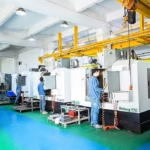
CNC machining, short for computer numerical control machining, is another widely used technique in rapid prototyping consumer products. It involves the use of computer-controlled machines to precisely remove material from a solid block, resulting in the desired shape. CNC machining offers excellent accuracy and can handle a wide range of materials, including metals and plastics.
Injection Molding
Injection molding is a rapid prototyping technique commonly employed for high-volume production of consumer products. It utilizes a mold and molten material injection to create complex, detailed parts with high dimensional accuracy. Although injection molding is typically associated with mass production, it can also be utilized in the prototyping stage to validate designs before committing to expensive tooling.
Laser Cutting
Laser cutting is a versatile rapid prototyping technique that employs a high-powered laser to cut through or engrave various materials. It enables the creation of intricate designs and precise cuts, making it ideal for prototyping consumer products with complex geometries. Laser cutting is commonly used with materials like plastics, wood, and fabrics.
Materials for Rapid Prototyping
Plastics
Plastics are widely used in rapid prototyping consumer products due to their versatility, affordability, and ease of processing. Different types of plastics, such as ABS, PLA, and nylon, offer varying characteristics like strength, flexibility, and heat resistance, making them suitable for a wide range of consumer products.
Metals
Metals play a crucial role in the rapid prototyping of consumer products that require high strength and durability. Aluminum, steel, and titanium are commonly used metals in the process. Each metal offers unique properties, such as lightweight construction, corrosion resistance, or excellent mechanical strength.
Composites
Composites, which consist of a combination of materials such as fibers and resins, offer enhanced mechanical properties and design flexibility. Carbon fiber composites, for example, are known for their high strength-to-weight ratio, making them ideal for applications where strength and lightweight construction are critical.
Ceramics
Ceramics are increasingly utilized in rapid prototyping consumer products due to their excellent thermal and electrical properties. They are commonly used in applications such as electronic components, high-temperature environments, and medical implants. Ceramic prototyping requires specialized processes to ensure accurate shaping and firing of the ceramic material.
Applications of Rapid Prototyping
Product Design and Development
Rapid prototyping plays a crucial role in product design and development. It allows designers to create physical models of their concepts, enabling them to assess ergonomics, aesthetics, and functionality. By quickly iterating through design changes, designers can refine their ideas and ensure optimal product performance.
Functional Prototypes
Functional prototypes are physical models that closely resemble the final product in terms of form and function. They enable engineers to test and evaluate the performance of various components, ensuring that the product meets the desired specifications. Functional prototypes help identify design flaws, validate functionality, and optimize performance.
Customized Consumer Products
Rapid prototyping enables the creation of customized consumer products tailored to individual needs. Whether it’s personalized phone cases, custom jewelry, or unique home decor items, rapid prototyping allows for on-demand manufacturing and mass customization. This capability enhances consumer experiences by providing unique and personalized products.
Small Batch Manufacturing
In addition to prototyping, rapid prototyping techniques can be utilized for small batch manufacturing. Small-scale production runs of consumer products can be efficiently and cost-effectively produced using rapid prototyping techniques. This approach is particularly useful for testing market demand, gathering feedback, and reducing inventory costs.
Rapid Prototyping Process

Design Phase
The rapid prototyping process begins with the design phase, where designers conceptualize the consumer product and develop detailed specifications. This phase involves brainstorming ideas, creating sketches, and utilizing computer-aided design (CAD) software to generate 3D models of the product.
CAD Modeling
Computer-aided design (CAD) modeling is a crucial step in the rapid prototyping process. CAD software allows designers to create detailed 3D models of the consumer product, incorporating precise dimensions, features, and assembly information. These digital models serve as the basis for the subsequent fabrication steps.
Prototype Fabrication
Prototype fabrication involves translating the digital design into a physical prototype of the consumer product. Depending on the chosen rapid prototyping technique, this may involve 3D printing, CNC machining, injection molding, or laser cutting. The fabrication process requires selecting the appropriate materials, setting up the machinery, and executing the manufacturing process.
Iterative Refinement
Iterative refinement is an essential aspect of the rapid prototyping process. It involves testing and evaluating the fabricated prototype, gathering feedback, and making design modifications. This iterative approach allows for continuous improvement of the consumer product, ensuring that it meets the desired specifications and functional requirements.
Choosing a Rapid Prototyping Service Provider
Factors to Consider
When selecting a rapid prototyping service provider, several factors should be considered. These include the provider’s experience and expertise, their range of available technologies, their ability to handle specific materials, and their track record in delivering high-quality prototypes.
Quality Assurance
Quality assurance is of paramount importance when choosing a rapid prototyping service provider. It is crucial to ensure that the provider adheres to strict quality control measures throughout the fabrication process. This includes verifying the accuracy of dimensions, surface finishes, and overall product quality.
Turnaround Time
The turnaround time offered by a rapid prototyping service provider is an essential consideration. Fast turnaround times allow for quicker iteration and reduced time-to-market. It is important to select a provider that can meet the required project deadlines without compromising quality.
Cost
Cost is a significant factor in the selection process. Different rapid prototyping techniques and materials have varying costs associated with them. It is important to evaluate the pricing structure of the service provider and consider the overall value they offer in terms of quality, expertise, and delivery time.
Case Studies in Rapid Prototyping
Successful Consumer Product Prototyping
Several consumer products owe their success to the implementation of rapid prototyping consumer products. Companies have utilized rapid prototyping to develop innovative and market-leading products, such as ergonomic office chairs, smart wearable devices, and advanced kitchen appliances. Rapid prototyping has enabled these companies to refine their designs, test user feedback, and create products that meet consumer needs effectively.
Innovation Through Rapid Prototyping
Rapid prototyping has fueled innovation across various industries. By providing a fast and cost-effective way to explore new design concepts, rapid prototyping has enabled the creation of groundbreaking products. From streamlined automotive components to intricate medical devices, rapid prototyping has facilitated the development of advanced solutions.
Cost Savings and Time-to-Market
One of the significant advantages of rapid prototyping is its potential for cost savings and reduced time-to-market. By streamlining the consumer product development process, companies can bring their products to market faster, gaining a competitive edge. Additionally, rapid prototyping eliminates the need for expensive tooling and molds traditionally associated with manufacturing, resulting in significant cost savings.
Future Trends in Rapid Prototyping
Advanced Materials and Processes
The future of rapid prototyping lies in the advancement of materials and processes. Researchers are continuously exploring new materials with enhanced properties, such as bio-based polymers, conductive materials, and self-healing materials. Furthermore, advancements in 3D printing techniques, such as multi-material printing and hybrid additive-subtractive processes, are expected to transform rapid prototyping capabilities.
Integration with AI and Automation
The integration of rapid prototyping with artificial intelligence (AI) and automation technologies holds great potential. AI algorithms can optimize the design process by generating innovative concepts and automatically optimizing product performance. Automation can streamline the fabrication process, enabling faster and more efficient production of prototypes.
Sustainable Prototyping Solutions
Sustainability is becoming increasingly important in all aspects of consumer product development, including rapid prototyping. Innovations in materials and processes aim to reduce waste, improve energy efficiency, and utilize eco-friendly materials. Sustainable prototyping solutions, such as biodegradable materials and recycling programs, are gaining traction, aligning with the global focus on environmental responsibility.
In conclusion, rapid prototyping has transformed the consumer product industry by enabling efficient product design and development, offering a range of techniques, materials, and applications. As the industry continues to evolve, choosing the right rapid prototyping service provider, understanding the process, and staying updated on future trends are vital for success. By embracing rapid prototyping, businesses can accelerate innovation, reduce costs, and deliver superior consumer products.
Key Numbers at a Glance
These are the figures that most often decide whether a consumer-product prototyping project stays on schedule and on budget. They are stated here so you can check them against your requirements before you request a quote.
- 50+ CNC machines running 24 hours a day at our manufacturing partner’s facility in Dongguan, China.
- Free DFM design review within 12 hours — completed before quoting, so manufacturability, tolerance and cost risks are identified before you commit.
- Itemised quotation within 24 hours of receiving your 3D model and drawing — the DFM review and the price arrive together, not as two separate hand-offs.
- MOQ 1 — quantities from 1 to 10,000 parts. The same process covers prototypes and bridge production.
- Direct manufacturer, not a trading company. Quoting, engineering review and production are handled by one organisation.
- ISO 9001:2015 quality system at our manufacturing partner (certificate holder disclosed on request), with a CMM inspection report per shipment.
- 12+ years serving overseas hardware R&D teams from prototype through low-volume production.
- Two native site languages (English and German).
Comparison: Prototype Stage vs Bridge Production
The same project usually passes through both stages. What changes is the priority, not the supplier.
| Dimension | Prototype stage | Bridge / low-volume stage |
|---|---|---|
| Priority | Speed and design iteration | Consistency and cost per part |
| Typical quantity | 1–50 parts | 50–10,000 parts |
| Process | CNC machining, 3D printing | CNC, vacuum casting, injection moulding |
| Inspection | Critical features | Full dimensional report per shipment |
| Cost driver | Iteration count | Volume, tooling, material |
How to Prepare a Consumer Product Prototype Project Before You Request a Quote
- Separate the appearance model from the functional model. Consumer projects usually need both, and building them to the same standard doubles cost without improving either.
- Send the 3D model and the 2D drawing together. Geometry, tolerance, material and finish all change the price; a description without files cannot be quoted accurately.
- Mark which features are critical. A part held to a tight tolerance everywhere costs more than the same part with tolerances only where the design requires them.
- Name the material and surface finish explicitly. Alloy or polymer grade plus finish specification is what makes two quotes comparable.
- Decide the inspection requirement before production. Dimensional reports, material certificates or first-article inspection are specified up front; inspection asked for afterwards often cannot be performed.
- Confirm quantity bands and commercial terms in writing. Quantity, Incoterms, lead time and payment terms agreed before the run prevent the delay buyers later experience as a quality problem.
FAQ: Frequently Asked Questions
Should I build an appearance model and a functional model?
Usually yes, and they should be built to different standards. An appearance model carries finish and colour; a functional model carries material and tolerance. Building one part to satisfy both doubles cost without improving either.
Which process suits a consumer product prototype?
3D printing for early form checks, CNC machining from the intended production material for anything that will be handled, dropped or shown to a buyer, and vacuum casting for short-run appearance parts.
How do I avoid costly changes late in the project?
Freeze the design intent before cutting, and use the free DFM review within 12 hours to surface the issues that would otherwise appear after the first part is made.
Can the prototype material match production?
Machining from the intended production material gives a representative part; 3D printing approximates geometry in a different material. If a mechanical or cosmetic test matters, it should be machined.
Questions Buyers Ask About Consumer Product Prototypes
These are the questions buyers actually ask at quoting stage. Each has a concrete answer, because each one changes cost, lead time or inspection scope.
Should an Appearance Model and a Functional Model Be Separate?
Usually yes. The appearance model carries finish and colour; the functional model carries material and tolerance. One part built to satisfy both costs more and proves less.
Which Process Suits Which Stage?
3D printing for early form checks, CNC machining from the production material for anything handled, dropped or shown to a buyer, and vacuum casting for short-run appearance parts.
How Do You Avoid Costly Late Changes?
Freeze the design intent before cutting, and use the free DFM review within 12 hours to surface what would otherwise appear after the first part.
Does the Prototype Material Have to Match Production?
If a mechanical or cosmetic test matters, yes — machining from the intended material gives evidence; printing gives an approximation.
What Inspection Should a Consumer Prototype Include?
Critical dimensions with a CMM inspection report when dimensional data matters, agreed before production rather than requested afterwards.
Can the Same Supplier Take the Product Into a Batch Run?
Yes — quantities from 1 to 10,000 parts run on the same process and quality system, so a validated prototype is not re-qualified.