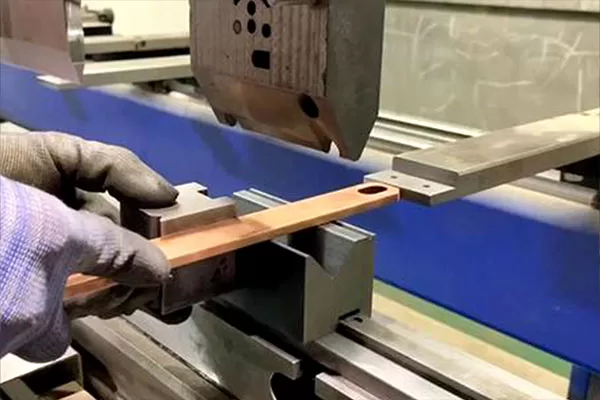
We bend, laser-cut, and weld over 8,000 sheet metal parts a month in our Dongguan factory — enclosures, brackets, chassis, panels. Across 80+ fabrication machines, the same five sheet metal design mistakes show up week after week. Each one adds cost, extends lead time, or produces parts that don’t fit.
Here they are — with real numbers from jobs we have actually run.
1. Bend Radius Too Tight for the Material — The #1 Sheet Metal Design Mistake
Why It Happens
The most common mistake: specifying a 0.5mm inside radius on 3mm aluminum. That radius is smaller than the material thickness — the metal will crack at the bend line, not form.
Rule we use: inside bend radius ≥ material thickness. For 2mm steel, minimum 2mm radius. For 3mm aluminum, minimum 3mm — preferably 4.5mm if the bend is parallel to the rolling grain.
Last week we quoted an electronics enclosure where the engineer called out R0.5 on 2.5mm 5052 aluminum. We changed it to R2.5, ran the same tooling, zero cracking — and no tooling change fee because we could use our standard V-die instead of a custom radius punch.
2. Holes Too Close to the Bend Line — A Sheet Metal Design Error That Distorts Parts
Our Shop Floor Rule
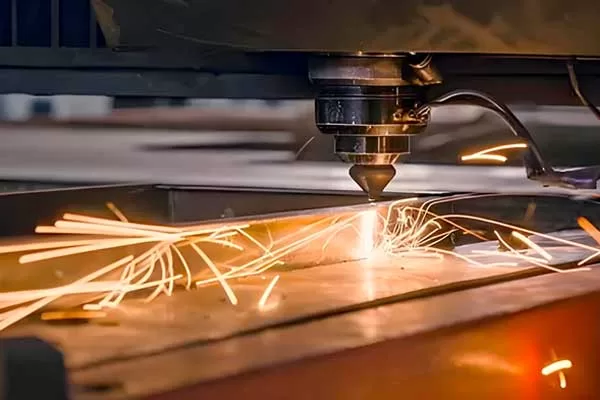
Place a hole within 2× material thickness of a bend line, and it will distort. The material stretches during forming — a 6mm hole becomes a 6.3mm oval, or worse, tears at the edge.
Our minimum: hole center ≥ 2.5× material thickness from the bend line. For a 2mm steel part with a 5mm hole, the hole center must be at least 5mm from the bend. If you need a hole closer than that, we can drill it after bending — but that adds a secondary operation.
On a 200-piece bracket order last month, the customer moved four M4 holes 3mm further from the bend radius. We eliminated the post-bend drilling step entirely — 28% cost reduction.
3. Welding Where a Bend Would Work — The Costly Sheet Metal Design Choice
Bend vs Weld: The Cost Difference
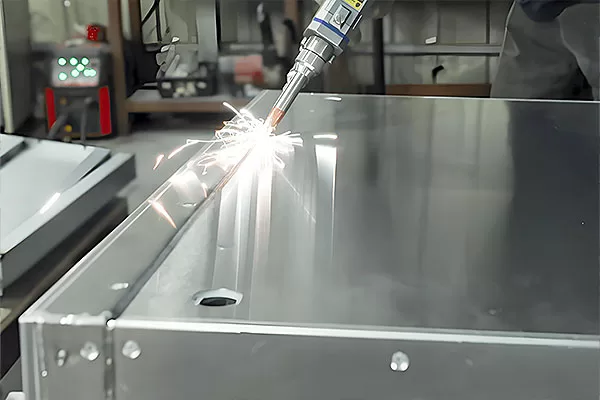
Welding adds three costs: the weld itself, post-weld grinding or finishing, and the risk of heat distortion warping the part. A well-designed bend eliminates all three. For complex enclosures, our sheet metal fabrication service includes free DFM review to catch these issues before production.
We see it constantly: a simple bracket designed as two flat pieces welded at 90 degrees. Replace the weld with a single piece that has a 90-degree bend — same strength, zero weld cost, zero distortion risk.
On a medical device chassis we fabricated in May, replacing six welded joints with bends cut 22 minutes of welding and finishing time per unit. On a 50-unit order, that saved over 18 hours of labor.
4. Unnecessary Tight Tolerances on Formed Features — The Sheet Metal Specification That Adds Cost
Real Tolerances From Our Shop Floor
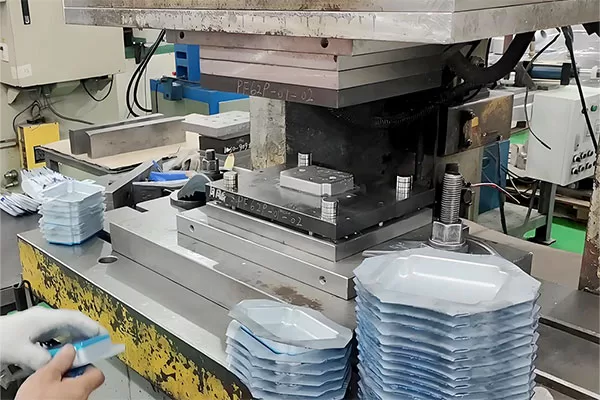
Sheet metal bends spring back. A 90-degree bend might come out at 89.5° or 90.5° depending on the material batch, grain direction, and tool wear. Calling out ±0.5° on a bend angle is asking for trouble — understanding realistic sheet metal fabrication tolerances prevents unnecessary cost.
Standard sheet metal tolerances on our floor:
- Bend angle: ±1° (standard), ±0.5° (tight, costs more)
- Bend-to-edge distance: ±0.25mm
- Hole diameter (punched): ±0.1mm
- Flat pattern dimensions: ±0.15mm
One customer saved 19% on a 500-piece panel order by relaxing angle tolerance from ±0.5° to ±1° on non-mating bends. The parts assembled perfectly — the ±0.5° callout was copied from a machined part drawing and never questioned.
5. No K-Factor Specified — The Silent Sheet Metal Design Mistake
K-Factors We Use for Common Materials
The K-factor determines how much the material stretches during bending, which affects the flat pattern dimensions. If you do not specify one, the fabricator uses a default — and the default might not match your material.
K-factors we use for common materials:
| Material | Thickness Range | K-Factor |
|---|---|---|
| Cold-rolled steel | 0.5-3mm | 0.35-0.40 |
| Stainless 304 | 0.5-3mm | 0.38-0.43 |
| Aluminum 5052 | 0.5-3mm | 0.33-0.38 |
| Aluminum 6061 | 0.5-3mm | 0.30-0.35 |
| Copper | 0.5-2mm | 0.35-0.40 |
If you are unsure, send us your material spec and we will use the K-factor from our last job with the same material. Better yet: send us the 3D model and let us flatten it — we know our tooling and can generate a flat pattern that works the first time.
What These Five Fixes Save — Real Shop Data
| Mistake | Fix | Typical Saving |
|---|---|---|
| Bend radius too tight | R ≥ material thickness | No tooling change fee |
| Holes near bend line | Hole center ≥ 2.5× thickness from bend | 15-28% (eliminate secondary drill) |
| Welding instead of bending | Replace welded joints with bends | 20-35% (no weld + finishing) |
| Tight tolerances on bends | ±1° standard on non-mating features | 10-19% |
| No K-factor specified | Let us flatten from your 3D model | Zero rework scrap |
Start with the bends and the holes — those two alone fix 80% of the sheet metal issues we see.
We run 80+ sheet metal fabrication machines in our Dongguan facility — Trumpf lasers, Amada press brakes, CNC punching, TIG/MIG welding — alongside our 50 CNC machining centers. ISO 9001 certified.. No trading middleman.
Send us your STEP file and material spec. We return a DFM review with specific bend radius, hole placement, and tolerance recommendations — free, no obligation. Upload here.