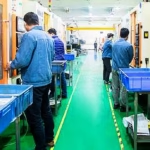
In the realm of modern manufacturing, precision and efficiency are paramount. This is where the dichotomy between CNC (Computer Numerical Control) machining and automated machining comes into play. While both are advanced technologies that transform the manufacturing landscape, they do so in distinct ways. In this comprehensive exploration, we’ll examine deep into the intricate web of differences that sets CNC machining and automated machining apart.
The Genesis of CNC Machining and Automated Machining
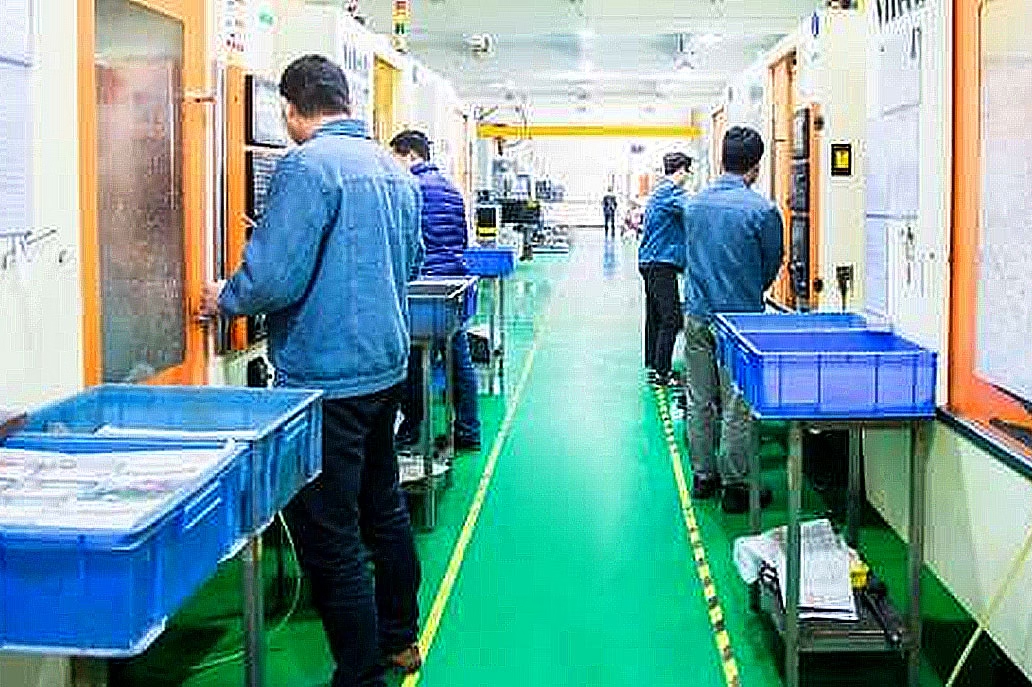
Let’s begin by tracing the roots of these two remarkable technologies. CNC machining can be likened to the seasoned artisan, employing a set of instructions known as G-code to meticulously craft intricate components. Automated machining, on the other hand, is akin to a symphony conductor, orchestrating an array of machines and robots to perform manufacturing tasks with minimal human intervention.
CNC Machining: Precision Personified
CNC machining is the epitome of precision manufacturing. It’s akin to a masterful conductor guiding an orchestra through a complex symphony. This method involves the utilization of pre-programmed computer software to dictate the movements and actions of machining tools with impeccable accuracy.
Key Elements of CNC Machining:
- G-Code: The backbone of CNC machining is the G-code. This cryptic set of alphanumeric instructions specifies every movement, rotation, and action of the machining tool. Think of it as the musical notation of the manufacturing world.
- Human Involvement: While CNC machining relies heavily on computer programming, a human operator is still an integral part of the process. They set up the machine, load materials, and ensure the overall operation proceeds smoothly.
- Precision Engineering: CNC machines are renowned for their ability to achieve unparalleled precision. They excel in tasks where tolerances are measured in micrometers, crafting parts that fit together with seamless perfection.
- Material Versatility: CNC machines can work with a wide range of materials, from metals like aluminum and steel to plastics and composites.
Benefits of CNC Machining:
- Exceptional Precision: CNC machining is the go-to choice when precision is non-negotiable. It can create parts with tolerances as tight as 0.001 inches.
- Versatility: Its ability to work with various materials and produce complex shapes makes CNC machining a versatile choice for many industries.
- Repeatability: Once a program is perfected, CNC machines can replicate the same process over and over with consistent results.
Automated Machining: The Symphony of Efficiency
Automated machining, on the other hand, is akin to a conductor overseeing a symphony of machines and robots. It leverages automation technology to streamline manufacturing processes, reducing the need for constant human intervention.
Key Elements of Automated Machining:
- Robotics Integration: Automated machining often incorporates robots to perform tasks such as loading and unloading parts, increasing the overall efficiency of the manufacturing line.
- Real-Time Monitoring: Sensors and cameras are employed to monitor the manufacturing process, ensuring quality control and making real-time adjustments when necessary.
- Adaptive Control: Automated machining systems can adapt to changing conditions, optimizing tool paths and speeds to achieve the most efficient production possible.
- Minimal Human Intervention: While humans are still essential for overseeing and maintaining the automated machinery, their direct involvement in the production process is significantly reduced.
Benefits of Automated Machining:
- Enhanced Efficiency: Automated machining can operate 24/7 without fatigue, resulting in increased production rates and reduced lead times.
- Consistency: With real-time monitoring and adaptive control, automated systems can maintain consistent quality throughout production.
- Cost Savings: While the initial investment in automation can be substantial, the long-term cost savings in labor and increased output often justify the expense.
CNC Machining vs. Automated Machining: A Comparative Analysis
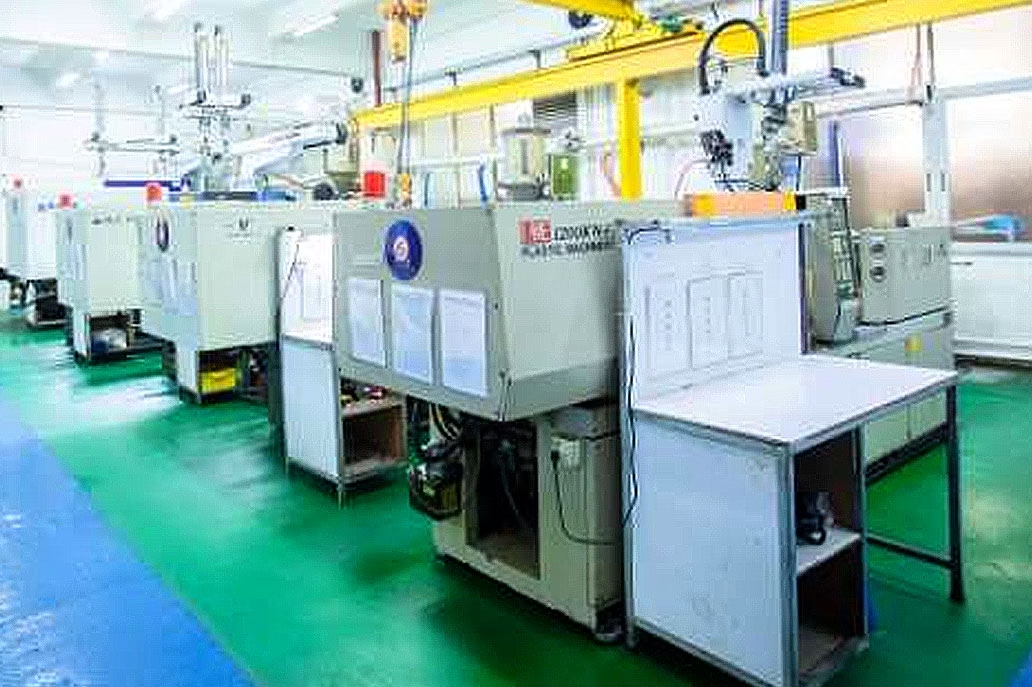
Now that we’ve elucidated the core principles of both CNC machining and automated machining, let’s engage in a side-by-side comparison to highlight their salient distinctions.
| Aspect | CNC Machining | Automated Machining |
|---|---|---|
| Control | G-code dictates precise movements. | Real-time monitoring and adaptive control. |
| Precision | Exceptionally precise, ideal for intricate parts. | High precision with a focus on efficiency. |
| Human Involvement | Requires skilled operators for setup and monitoring. | Reduced human intervention, mainly for oversight. |
| Flexibility | Versatile with a wide range of materials and shapes. | Specialized for specific tasks, may lack versatility. |
| Efficiency | Slower compared to automated machining. | Highly efficient, operates 24/7. |
| Cost | Lower initial investment, higher labor costs. | Higher initial investment, lower labor costs. |
| Adaptability | Limited adaptability to changing conditions. | Adapts to changing conditions for optimal production. |
Applications: Where Each Shines
Understanding the differences between CNC machining and automated machining is crucial when selecting the right method for a particular application. Here, we examine into the domains where each technology excels.
CNC Machining Applications:
- Aerospace: CNC machining is the preferred choice for crafting precision components in the aerospace industry, where safety and precision are paramount.
- Medical Devices: The medical field relies on CNC machining to create intricate and biocompatible components for devices such as implants and surgical instruments.
- Prototyping: Rapid prototyping benefits from the versatility of CNC machining, which can swiftly produce one-off prototypes with high precision.
Automated Machining Applications:
- Automotive Production: The automotive industry utilizes automated machining for high-volume production of standardized components like engine blocks and transmission parts.
- Electronics Manufacturing: The precision and efficiency of automated machining are indispensable in electronics manufacturing, where tiny components demand accuracy.
- Mass Production: Any industry requiring large quantities of identical parts, such as consumer goods or appliances, can significantly benefit from automated machining.
The Convergence: CNC in Automated Machining
It’s worth noting that the boundaries between CNC machining and automated machining are not always clear-cut. In many modern manufacturing facilities, CNC machines are integrated into automated systems to harness the strengths of both technologies.
Benefits of CNC in Automated Machining:
- Precision Enhancement: CNC machines can be used within automated systems to ensure the highest precision in critical operations.
- Flexibility: The versatility of CNC machining can complement automated processes, allowing for the production of customized components within a mass production framework.
- Quality Control: CNC machines can be employed for quality control checks within automated lines, ensuring that every product meets stringent standards.
Conclusion: Choosing the Right Path
In the dynamic landscape of manufacturing, choosing between CNC machining and automated machining is akin to selecting the right tool for the job. CNC machining, with its precision and versatility, remains the gold standard for intricate components. On the other hand, automated machining’s efficiency and scalability make it the choice for high-volume production.
In the end, the choice between these two remarkable technologies depends on the specific needs of the project, the desired level of precision, the scale of production, and the available resources. Manufacturers must weigh these factors carefully to determine whether to entrust their symphony to the conductor or the precision craftsman.
So, whether you’re crafting a single, intricately designed part or orchestrating the production of thousands, the key is to leverage the strengths of CNC machining and automated machining to create a harmonious and efficient manufacturing process. The future of manufacturing is undoubtedly a symphony of both precision and automation, with each note perfectly tuned to meet the demands of the industry.
What Is the Difference Between CNC Machining and Automated Machining?
Definition: CNC machining is a subtractive manufacturing process in which a computer-controlled cutting tool removes material from a solid workpiece to produce a precise part; each part follows a program written for that specific geometry. Automated machining is the broader category in which a machine or production line performs a sequence of operations with limited or no operator intervention per cycle — CNC machining is one form of it. In practice, almost all modern production machining is both CNC and automated; the meaningful comparison is not “which one” but how much of the process beyond the cut has been automated: loading, inspection, tool change, and material handling.
The distinction matters to buyers for one reason: the two differ in what drives cost and lead time. For a CNC machining job, cost is driven by machining cycle time, setup, tooling, and inspection. For an automated line, cost is driven by the capital cost of the line amortised over volume, plus the engineering time needed to make the line reliable. That is why short-run work is usually quoted as CNC machining, while high-volume work is quoted as an automated line — and why a supplier that only owns one of the two will push your project toward it.
Key Numbers at a Glance
- 50+ CNC machines running 24/7 at our manufacturing partner’s facility in Dongguan, China.
- Free DFM design review within 12 hours, completed before quoting — so manufacturability, tolerance and cost risks are identified before you commit.
- MOQ 1 — quantities from 1 to 10,000 parts, so the same supplier covers prototyping through bridge production.
- Direct manufacturer, not a trading company — we quote, review and produce; no intermediary markup and no hand-off between quoting and production.
- ISO 9001:2015 quality system at our manufacturing partner (certificate holder is disclosed on request), with a CMM inspection report per shipment.
- 12+ years of prototyping and low-volume production experience serving overseas hardware R&D teams.
- Two native site languages (English and German) — content and support in the language your engineering team works in.
How to Decide Which Process Your Part Needs
Use this sequence before requesting a quote. It follows the order in which cost and risk actually appear on a machining project.
- Fix the quantity first. Automated lines only make economic sense when the volume amortises the line’s capital cost. Below that threshold, the same part is produced on CNC machines. If you are between 1 and 10,000 parts, you are almost always in CNC machining territory — which is the range we quote.
- Send the 3D model and drawing, not a description. A CNC quote depends on geometry, tolerances, material and finish. Without the file, any figure you receive is an estimate of a different part.
- Get the manufacturability review before the price. This is the step most buyers skip. Risks such as tool access, thin walls, tight tolerances and datum choice change cost and yield — identifying them before quoting is free; identifying them after the first batch is not. We complete this review within 12 hours, at no charge.
- Confirm the inspection requirement. Decide up front whether you need dimensional reports, material certificates, or first-article inspection. Inspection that is specified after production is usually inspection that cannot be performed.
- Decide whether the same supplier carries both stages. If the part moves from prototype to bridge production, keeping one supplier across both avoids re-qualifying the part and re-validating the process.
- Confirm the commercial terms before the run. Agree on Incoterms, lead time and payment terms in writing. Ambiguity here is the most common cause of delay, not machining itself.
FAQ: Frequently Asked Questions
Is CNC machining a form of automated machining?
Yes. CNC machining is automated in the sense that the machine executes a program without an operator guiding the tool. What is not automated by default is the work around the cut: loading, inspection, tool change and material handling. The practical question is how much of that surrounding work is automated, because that is what determines whether a process is viable at high volume.
Which process should I choose for a short-run or prototype order?
CNC machining. Automated production lines are justified by volume, not by part complexity. For quantities from a single part to a few thousand, CNC machining gives you the geometry, tolerances and material flexibility without the tooling investment an automated line would require.
Can one supplier handle both prototyping and bridge production?
Yes, and it is usually the better choice. We quote quantities from 1 to 10,000 parts with no minimum order, so the part can be validated at prototype quantity and then produced in the same process language and the same quality system as volume increases. This avoids re-qualifying the part with a second supplier.
What happens before I receive a price?
We perform a DFM (design for manufacturing) review within 12 hours of receiving your model and drawing, before quoting. The review identifies manufacturability, tolerance and cost risks and tells you which of them affect price. You then receive an itemised quote rather than a single number with unexplained assumptions.
How are tolerances verified?
We machine to the tolerances stated on your drawing and report the measured results back to you. Parts are inspected and each shipment is accompanied by a CMM inspection report. We do not quote a tolerance we cannot measure and report against — if a feature cannot be verified, we will tell you before production rather than after.
Are you a factory or a trading company?
We are a direct manufacturer in Dongguan, China, not a trading company. Quoting, engineering review and production are handled by the same organisation, so the person who reviews your design is accountable for producing it. Manufacturing is performed at our partner facility — 50+ CNC machines, ISO 9001:2015 quality system, certificate holder disclosed on request.
What do you need from me to quote?
Your 3D model (STEP or equivalent) and a 2D drawing showing critical dimensions, tolerances, material and surface finish, plus the required quantity. If the drawing is incomplete, the DFM review will identify what is missing — this is normally resolved in the same 12-hour window.
Comparison: What Actually Differs in Practice
| Dimension | CNC machining | Automated production line |
|---|---|---|
| Economic basis | Machining time, setup and inspection per job | Capital cost of the line amortised over volume |
| Best fit | Prototypes, small batch, varied geometry | Stable geometry at sustained high volume |
| Change cost | Revised programme; no tooling commitment | Line retooling and re-validation |
| Inspection | Per-part or per-batch, reported per shipment | In-line, designed into the process |
| Where it breaks | Volume beyond the point where setup dominates | Variability or volume too low to amortise |
Questions Buyers Ask Before Choosing a Machining Process
These are the questions buyers actually ask at quoting stage. Each has a concrete answer, because each one changes cost, lead time or inspection scope.
Which Process Is Better for a Prototype in China?
CNC machining. Automated production lines are justified by volume, not by part complexity, so anything from one part to a few thousand is quoted as CNC machining.
What Does the Cost of a CNC Machining Company Include?
Machining cycle time, programming and setup, tooling, material, and inspection. Each is visible in an itemised quotation, which is what makes two quotes comparable.
How Does Batch Size Change the Cost per Part?
Setup and programming are fixed, so a larger batch spreads them across more parts and lowers unit cost. Batch is the largest single lever after design.
Which Design Checks Should Happen Before You Commit?
Tool access, wall thickness, tolerance placement and datum choice. These are resolved in the free DFM review within 12 hours, before quoting rather than after cutting.
Is a Direct Factory Better Than a Trading Company?
A direct factory reviews the design and produces the part itself, so the engineer who approves manufacturability owns the result. A trading company adds a hand-off, not a capability.
What Inspection Comes With a Machining Batch?
Critical dimensions are measured and reported, and each shipment carries a CMM inspection report. Material certificates are available on request.
How Do You Compare Alternative Suppliers Fairly?
Fix the alloy, the tolerance band and the inspection scope before requesting quotes. Without those three, any comparison is between different parts.