In the intricate realm of modern manufacturing, two fundamental processes stand as pillars of production: CNC machining and assembly. These processes, while seemingly distinct, are intertwined in the intricate dance of turning raw materials into finished products. In this exploration, we will dissect the essence of CNC machining and assembly, drawing a clear demarcation between these integral stages of manufacturing.
CNC Machining: Precision at its Pinnacle
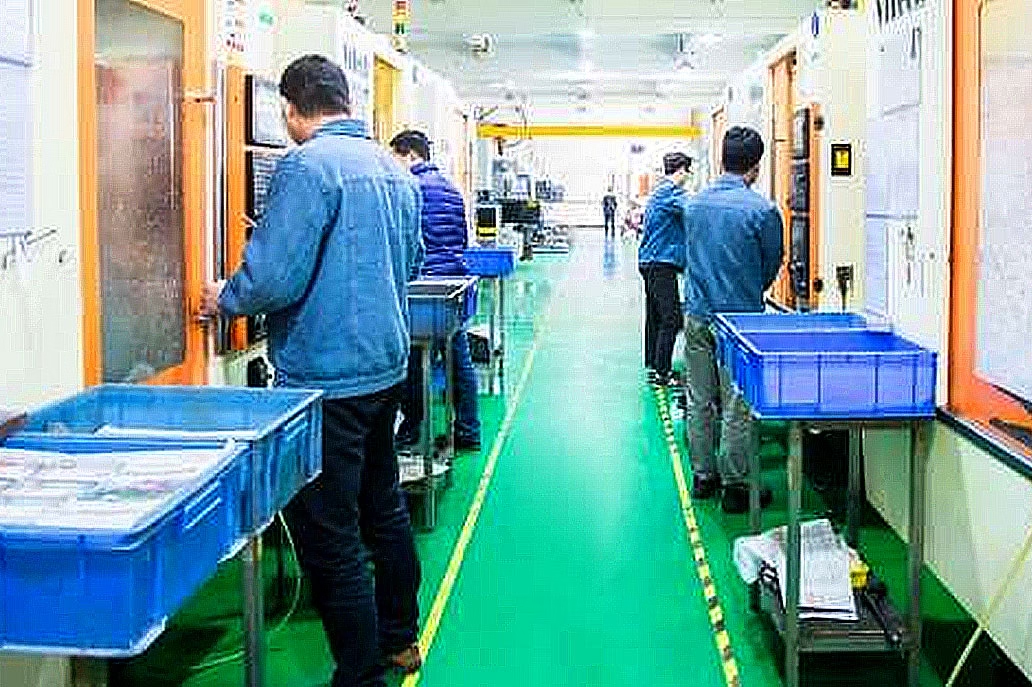
At the core of CNC machining lies an embodiment of precision and automation that borders on the sublime. CNC, or Computer Numerical Control, machining is a process that relies on automated machinery guided by pre-programmed computer commands. Its raison d’être is to carve and shape raw materials into precise components with meticulous accuracy.
The Dance of Code and Precision
In the world of CNC machining, code is king. Engineers craft intricate digital blueprints, encoding the design and specifications into computer software. This digital dossier serves as a roadmap for the CNC machine, dictating every move it makes. This marriage of technology and precision allows CNC machines to perform tasks with a level of accuracy that is simply unattainable through manual methods.
Machining Techniques: Milling, Turning, and More
CNC machining encompasses a spectrum of techniques, each tailored to specific manufacturing needs. Milling involves rotating cutting tools to shape materials, while turning rotates workpieces on a spindle. These techniques, among others, ensure that CNC machining can tackle a wide array of materials, from metals to plastics and composites.
Advantages of CNC Machining
- Precision: The hallmark of CNC machining is its unwavering precision. It can create intricate parts with tolerances measured in micrometers, ensuring consistency and quality.
- Repeatability: Once programmed, CNC machines can churn out identical parts tirelessly, maintaining uniformity in mass production.
- Complex Geometries: CNC machining can tackle complex shapes and contours that are beyond the capabilities of manual methods.
- Efficiency: Automation reduces the margin for error and significantly speeds up production.
Assembly: The Art of Integration
In the grand symphony of manufacturing, assembly emerges as the conductor. It is the stage where individual components, often machined through CNC processes, come together to create a final product. Assembly is the nexus of creativity, precision, and manual dexterity.
The Human Touch
While CNC machining is dominated by automation, assembly thrives on the human touch. Skilled workers, often armed with specialized tools, meticulously piece together the jigsaw puzzle of a product. This stage demands a keen eye, steady hands, and an intuitive understanding of the product’s design.
Diverse Techniques: Manual vs. Automated
Assembly can be a manual or automated process, depending on the complexity of the product and the scale of production. Manual assembly relies on human labor and craftsmanship, while automated assembly employs robots and machinery for efficiency and precision.
Advantages of Assembly
- Flexibility: Assembly allows for quick adaptations and changes in the manufacturing process, making it suitable for small-scale production and customizations.
- Human Expertise: In cases where human judgment is required, assembly shines, particularly in intricate, one-of-a-kind products.
- Customization: Assembly can accommodate unique design features and specifications that might be challenging for CNC machining alone.
- Cost-Efficiency: For small runs or prototypes, manual assembly can be more cost-effective than setting up CNC machining operations.
CNC Machining vs. Assembly: Bridging the Divide
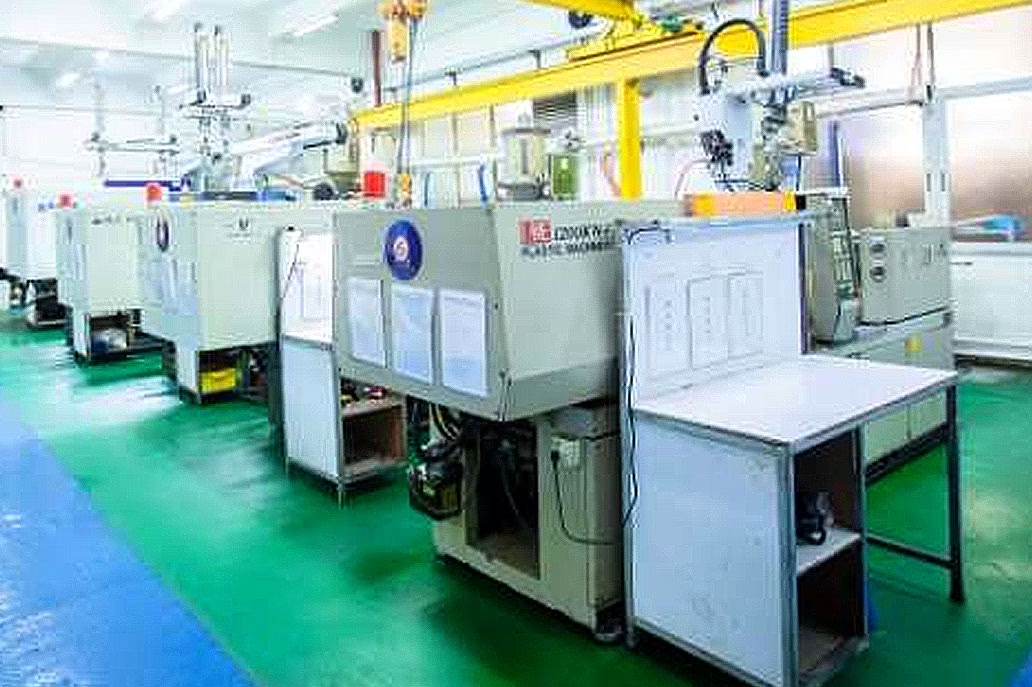
To truly grasp the difference between CNC machining and assembly, let us examine into the nuances that set them apart:
1. Process Nature
CNC machining is a subtractive manufacturing process. It starts with a solid block of material and removes material until the desired shape is achieved. In contrast, assembly is an additive process where individual components are joined together to create the final product.
2. Automation Level
CNC machining is synonymous with automation. It relies heavily on computer-controlled machines to execute precise tasks. Assembly, on the other hand, retains a significant human element, particularly in manual assembly processes.
3. Tolerance and Precision
When it comes to precision, CNC machining holds the upper hand. Its automated nature allows for consistently high tolerances, making it ideal for producing components with exacting specifications. Assembly, while capable of precision, may have slightly higher tolerances due to human involvement.
4. Scalability
CNC machining excels in mass production scenarios. Its ability to replicate designs with unwavering accuracy makes it the preferred choice for large production runs. Assembly, in contrast, is more adaptable to smaller production volumes and customizations.
5. Cost Considerations
While CNC machining offers unparalleled precision, it can be cost-prohibitive for small-scale productions or products with frequent design changes. Assembly provides cost efficiency in such scenarios.
6. Design Complexity
For intricate and complex designs, CNC machining is the go-to choice. Its ability to create complex geometries with precision is unmatched. Assembly is better suited for products that require a combination of components, each with specific functions.
7. Lead Time
CNC machining generally has shorter lead times for high-volume production, thanks to its automation. Assembly may have longer lead times, especially for complex products, due to the details of manual labor.
The Symbiosis of CNC Machining and Assembly
In the grand tapestry of manufacturing, it’s important to recognize that CNC machining and assembly are not adversaries but collaborators. They each bring their unique strengths to the production line.
CNC machining paves the way for precision, scalability, and the creation of intricate components. It’s the craftsman who sculpts raw materials into works of engineering art. However, it’s assembly that breathes life into these individual parts, transforming them into functional products ready to serve their purpose.
Consider a smartphone. CNC machining crafts the precision-engineered components like the aluminum frame, while assembly integrates these parts, adds the delicate touch screen, and assembles the intricate circuitry. It’s this delicate balance between machining and assembly that births a technological marvel.
Conclusion: The Perfect Harmony
In the grand saga of manufacturing, CNC machining and assembly play distinct, irreplaceable roles. CNC machining, with its automated precision, crafts the building blocks of a product. Assembly, with its human touch and adaptability, orchestrates their harmonious integration.
Understanding the key differences between CNC machining and assembly is not about pitting them against each other but appreciating how they complement one another. It’s the fusion of automation and craftsmanship that propels the manufacturing industry forward, creating everything from aerospace components to everyday gadgets.
In the end, it’s the perfect harmony of CNC machining and assembly that transforms raw materials into the products that define our modern world.
Key Numbers at a Glance
These figures apply to the machining and assembly work discussed above and cover the questions most relevant when planning a build.
- 50+ CNC machines running 24 hours a day at our manufacturing partner’s facility in Dongguan, China.
- Free DFM design review within 12 hours — completed before quoting, so manufacturability, tolerance and cost risks are identified before you commit.
- Itemised quotation within 24 hours of receiving your 3D model and drawing — the DFM review and the price arrive together, not as two separate hand-offs.
- MOQ 1 — quantities from 1 to 10,000 parts. The same process covers prototypes and bridge production.
- Direct manufacturer, not a trading company. Quoting, engineering review and production are handled by one organisation.
- ISO 9001:2015 quality system at our manufacturing partner (certificate holder disclosed on request), with a CMM inspection report per shipment.
- 12+ years serving overseas hardware R&D teams from prototype through low-volume production.
- Two native site languages (English and German).
How to Prepare a Machining and Assembly Project Before You Request a Quote
- Decide the split between machining and assembly up front. Whether the supplier delivers loose parts or a sub-assembly changes tolerance stack-up, fixtures and inspection scope.
- Send the 3D model and the 2D drawing together. Geometry, tolerance, material and finish all change the price; a description without files cannot be quoted accurately.
- Mark which features are critical. A part held to a tight tolerance everywhere costs more than the same part with tolerances only where the design requires them.
- Name the material and surface finish explicitly. Alloy or polymer grade plus finish specification is what makes two quotes comparable.
- Decide the inspection requirement before production. Dimensional reports, material certificates or first-article inspection are specified up front; inspection asked for afterwards often cannot be performed.
- Confirm quantity bands and commercial terms in writing. Quantity, Incoterms, lead time and payment terms agreed before the run prevent the delay buyers later experience as a quality problem.
FAQ: Frequently Asked Questions
Do you supply loose parts or an assembled sub-assembly?
Either — but the choice must be made at quoting stage. Whether parts ship loose or assembled changes the tolerance stack-up, the fixtures and the inspection scope.
How is tolerance stack-up handled when parts are assembled?
By allocating tolerance across components rather than demanding the tightest value on each. The DFM review is where that allocation is agreed, because it is what determines whether the assembly actually fits.
Can you source the non-machined components?
Where a project needs fasteners, seals or purchased parts, sourcing is discussed as part of the quotation so the delivered unit is complete, and the supply route is stated rather than assumed.
What is the lead time for a machined and assembled unit?
Lead time depends on the longest single component plus the assembly step. The itemised quotation returns within 24 hours of a complete model and drawing, and states the lead time explicitly.
Questions Buyers Ask About Machining and Assembly
These are the questions buyers actually ask at quoting stage. Each has a concrete answer, because each one changes cost, lead time or inspection scope.
Should a Supplier Deliver Loose Parts or an Assembled Unit?
It depends where tolerance risk sits. Delivering loose parts moves the stack-up to the buyer; delivering an assembly moves it to the supplier, at a higher price.
How Does Tolerance Stack-Up Change the Cost?
Allocating tolerance across components is cheaper than demanding the tightest value on each. The allocation is agreed during the DFM review, before production.
What Design Checks Matter Before Assembly?
Datum choice, feature access for tooling, and whether each part can be held without marking. These decide whether the assembly actually fits.
Can One Factory Machine and Assemble in China?
Yes — machining and assembly under one quality system avoids the argument that appears when two suppliers split the work.
What Inspection Applies to an Assembled Unit?
Dimensional checks on the critical features plus a CMM inspection report per shipment, with the inspection scope agreed before production.
How Is Batch Size Decided for a Machined Assembly?
By the longest single component plus the assembly step. Quantities from 1 to 10,000 parts are quoted so the batch decision rests on real numbers.